
Most people do not go looking for a sleep apnea specialist. They go looking because a partner has moved to the couch, because they wake up with a headache after eight hours in bed, or because they nodded off at a red light on the way to work. By then the question is usually simple: who should I see about this?
An ENT is often the right first call, because sleep apnea is, at its core, a problem of airway anatomy, and the airway is exactly what an ear, nose and throat specialist examines. This guide explains the difference between snoring and sleep apnea, what an ENT looks for, how sleep testing works, and the treatment options available.
Quick answer: Yes, an ENT can diagnose and treat obstructive sleep apnea. An ENT examines the nose, throat and upper airway to find where it narrows during sleep, orders a home or in-lab sleep study to confirm the diagnosis, and treats it with options that include CPAP, oral appliances, weight management and surgery to open blocked airways. Loud snoring with gasping, pauses in breathing or daytime sleepiness is the most common reason to see an ENT for sleep apnea.
Snoring vs. Sleep Apnea: What Is the Difference?
Snoring is sound. Sleep apnea is interrupted breathing. They often happen together, but they are not the same thing.
| Simple snoring | Obstructive sleep apnea | |
|---|---|---|
| What happens | Partial airway narrowing makes tissue vibrate | Airway repeatedly narrows or collapses, pausing breathing |
| What a bed partner notices | Steady snoring | Snoring broken by silence, then choking or gasping |
| How you feel during the day | Usually rested | Tired, foggy, morning headaches |
| Health risk | Mainly a sleep disruption for others | Linked to high blood pressure, heart disease and stroke |
The American Academy of Otolaryngology-Head and Neck Surgery explains that snoring happens when there is partial obstruction to airflow through the back of the mouth and nose. Obstructive sleep apnea involves repeated pauses in breathing longer than 10 seconds caused by the upper airway narrowing or collapsing.
Warning Signs That Snoring May Be Sleep Apnea
The American Academy of Sleep Medicine lists these common symptoms of obstructive sleep apnea:
- Loud or frequent snoring
- Silent pauses in breathing
- Choking or gasping sounds during sleep
- Daytime sleepiness or trouble concentrating
- Morning headaches
- Getting up often at night to urinate
Risk factors include excess weight, a large neck size (17 inches or more for men, 16 inches or more for women), being male and middle-aged, high blood pressure, a family history of sleep apnea, and certain airway abnormalities.
Why it matters
According to the National Heart, Lung, and Blood Institute, untreated sleep apnea can affect thinking and decision-making and increases the risk of stroke, heart attack and other serious problems. For anyone who drives the Valley's freeways every day, daytime sleepiness is a safety issue, not just an inconvenience.
What an ENT Looks For
An ENT's advantage is seeing the airway directly. The American Academy of Otolaryngology-Head and Neck Surgery notes that ENT evaluation can include a fiberoptic scope exam of the nose and throat, and that several anatomical factors narrow the airway:
- Nasal blockage, such as a deviated septum. Mayo Clinic lists noisy breathing during sleep as one possible symptom of a deviated septum.
- Enlarged tonsils or adenoids, which crowd the back of the throat. See tonsils and adenoids.
- A long soft palate or large tongue that falls back during sleep
- Extra tissue in the neck, which is more common with excess weight
- Relaxed throat muscles, made worse by alcohol or sedating medications
Finding which of these applies to you is what makes treatment targeted instead of trial and error.
How Sleep Apnea Is Diagnosed
A physical exam can raise suspicion, but a sleep study confirms the diagnosis and measures severity. At Elite ENT, two options are available through our sleep apnea program:
| Home sleep test | In-lab sleep study (polysomnogram) | |
|---|---|---|
| Where | Your own bed | A specialized sleep lab |
| What it records | Breathing and oxygen overnight | Breathing, oxygen, brain activity and more, with a technician monitoring |
| Best for | Many adults with likely obstructive sleep apnea | Complex cases or when other sleep disorders are suspected |
The American Academy of Sleep Medicine notes that in-lab studies are more comprehensive but cost more. Your ENT will recommend the right one based on your symptoms and health history.
Sleep Apnea Treatment Options
Treatment depends on severity and on what is narrowing your airway. Options at Elite ENT include:
- Lifestyle changes for mild cases, such as side sleeping and weight management
- Oral appliances, custom devices that hold the jaw forward to keep the airway open
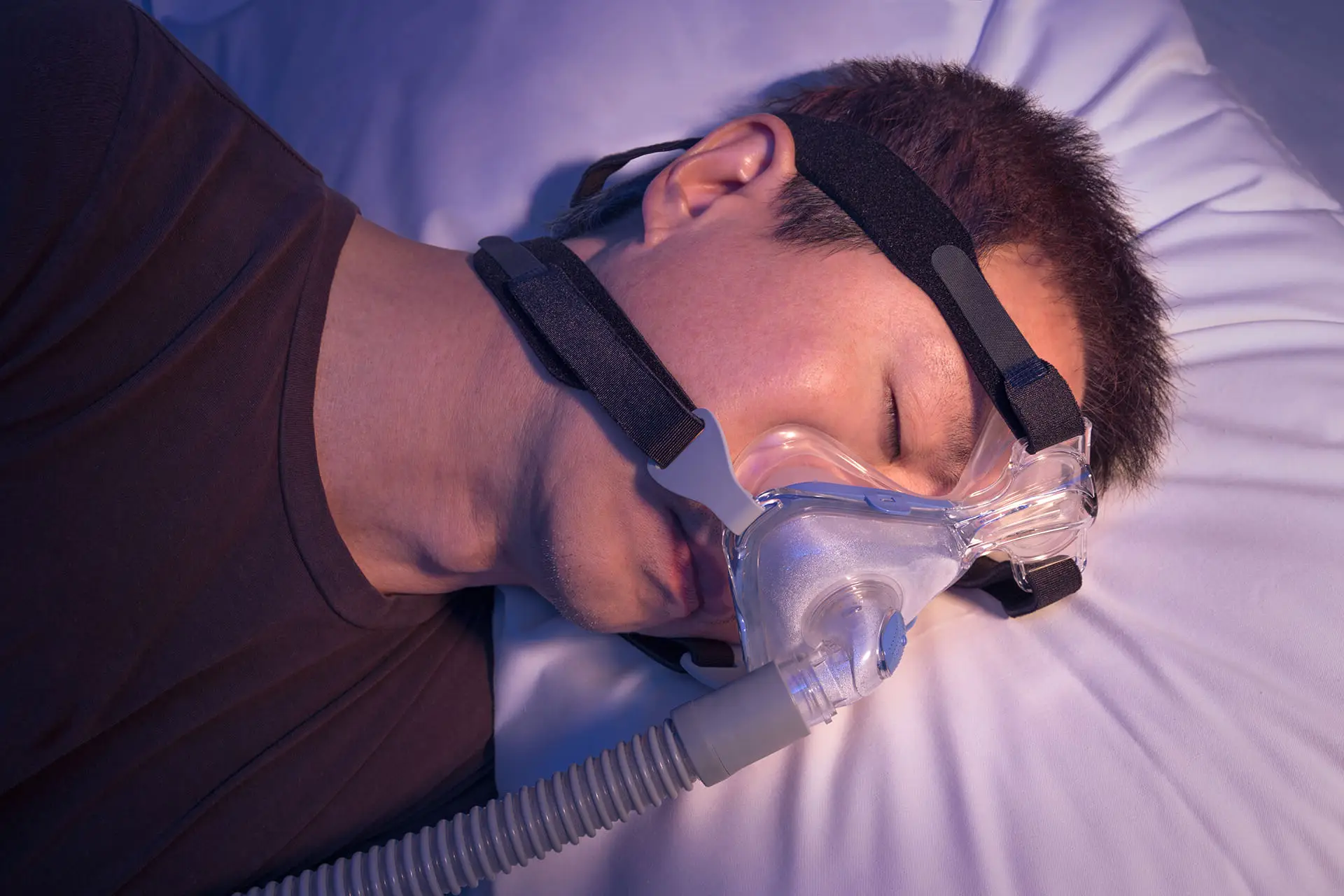
- CPAP therapy, the most proven treatment for moderate to severe obstructive sleep apnea
- Surgery to open blocked air passages when anatomy is the main problem
- Tonsil and adenoid removal for children with enlarged tonsils
Looking for alternatives to CPAP?
CPAP works when it is used, but many people struggle with the mask or pressure. An ENT can check whether nasal blockage is part of the problem and discuss oral appliances or surgical options that fit your anatomy. Stopping CPAP without a plan is not a safe alternative.
When weight is part of the picture
The American Academy of Sleep Medicine lists excess weight as a major risk factor for obstructive sleep apnea. For patients who want medical support with weight loss, Elite ENT also offers a supervised GLP-1 medical weight loss program, which can be discussed alongside your sleep apnea plan.
Snoring in children
Children who snore loudly most nights, breathe through their mouths or have restless sleep should be evaluated too. In children, enlarged tonsils and adenoids are the most common cause. Read when a child should see an ENT.
Frequently Asked Questions
Can an ENT diagnose sleep apnea?
Yes. An ENT evaluates your nose, throat and airway, orders a home or in-lab sleep study, and uses the results to confirm the diagnosis and measure severity.
Should I see an ENT or a sleep doctor for sleep apnea?
Both can help. An ENT is especially useful when anatomy may be contributing, such as nasal blockage, a deviated septum or enlarged tonsils, because an ENT can examine and treat those directly.
Is all snoring a sign of sleep apnea?
No. Many people snore without sleep apnea. Snoring that comes with pauses in breathing, gasping, choking or daytime sleepiness is the pattern that suggests sleep apnea and should be evaluated.
Do I need an overnight sleep study in a lab?
Not always. Many adults can be tested with a home sleep apnea test in their own bed. An in-lab study is more comprehensive and may be recommended for complex cases.
Are there alternatives to CPAP?
Yes, depending on severity and anatomy. Options include custom oral appliances, weight management, positional therapy and surgery to open blocked air passages. An ENT can tell you which options fit your airway.
Can a deviated septum cause snoring?
It can contribute. A deviated septum narrows the nasal passage, and Mayo Clinic lists noisy breathing during sleep as a possible symptom. Whether correcting it will help depends on what else is narrowing your airway.
Talk to an ENT About Your Snoring
If you or your partner has noticed loud snoring, gasping or pauses in breathing, schedule a sleep apnea evaluation with Dr. Luis Vazquez, DO. Call (602) 802-8240 or request an appointment. Home sleep testing is available. Se habla español.
Medical Sources
- Sleep Apnea: What Is Sleep Apnea?, National Heart, Lung, and Blood Institute (NIH)
- Obstructive Sleep Apnea, American Academy of Sleep Medicine
- Snoring, Sleeping Disorders, and Sleep Apnea, ENT Health, American Academy of Otolaryngology-Head and Neck Surgery
- Deviated septum: Symptoms and causes, Mayo Clinic
This article is for general education and is not a substitute for a medical evaluation. If you have severe pain, trouble breathing, high fever, or sudden hearing loss, seek care right away.